Redefining Teaching Standards for the Digital Age in Dental Education
The integration of digital technologies into dental curricula has become a global trend, as highlighted by a 2020 systematic review by Zitzmann et al. (2020). As technology continues to evolve, dental education must adapt, redefining teaching standards to align with the digital age. This shift requires careful consideration of curriculum phases, discipline-specific integration, and the balance between traditional and digital techniques.
The Role of Digital Tools in Dental Education
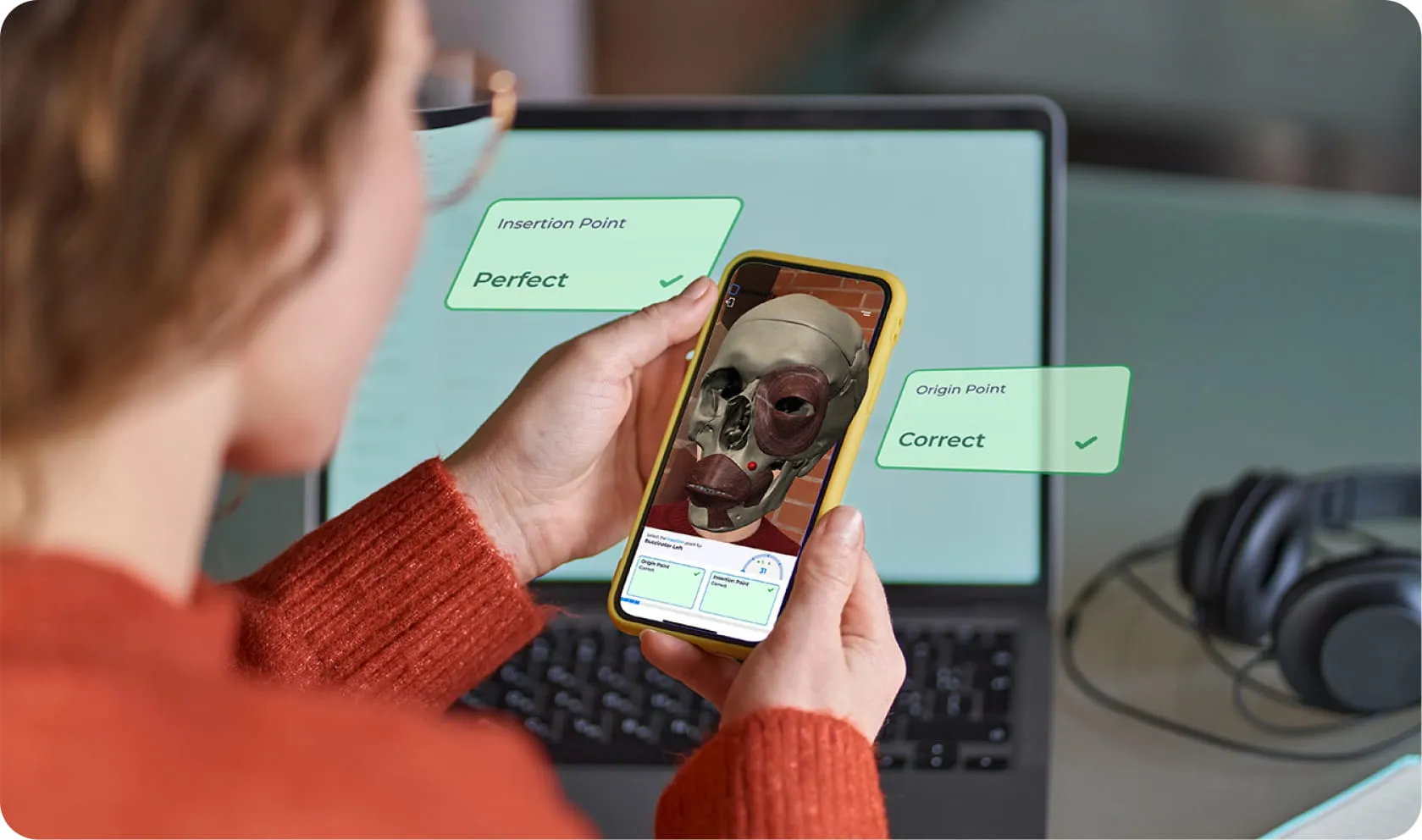
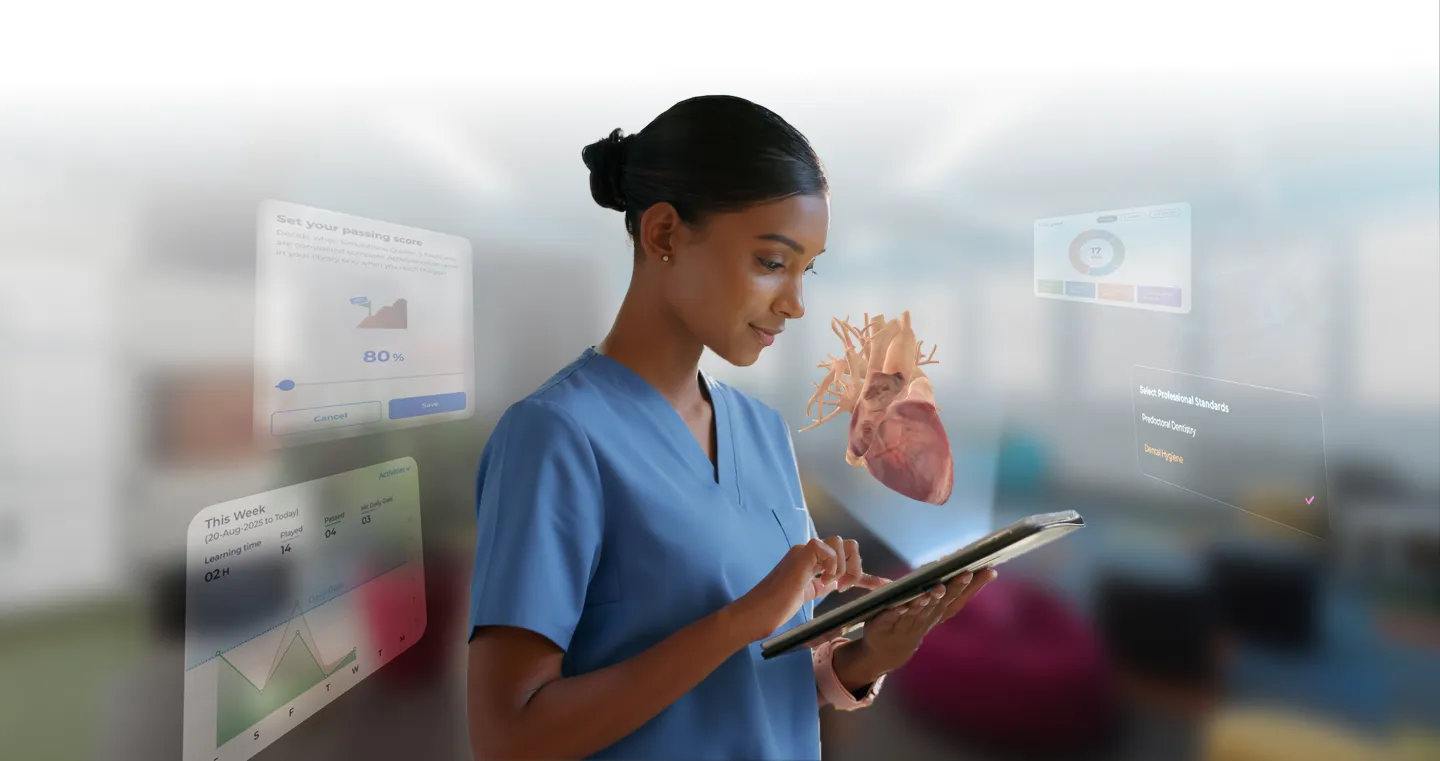
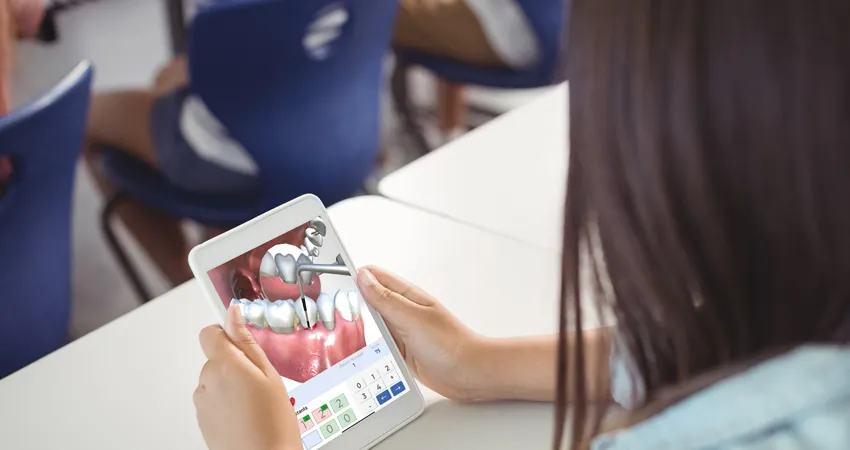
Studies have demonstrated the value of digital tools in enhancing spatial ability, interactivity, critical thinking, and interdisciplinary clinical correlations. Augmented reality (AR) is particularly effective since it provides three-dimensional visualization of relevant models (for example tooth morphology or skull anatomy for dental education) and overlaying such digital content onto real-world objects surrounding the user. Through platforms like Immersify, students can engage with interactive simulations, identify anatomical structures, and practice procedures in a controlled digital environment.
Curriculum Phases: When to Introduce Digital Tools?
One of the key considerations in redefining teaching standards is determining the optimal phase for introducing digital technologies. Early exposure to digital tools can enhance foundational learning, while more advanced applications can be introduced in later stages to support clinical training. A phased approach ensures a smooth transition from theoretical understanding to hands-on application in patient care.
Discipline-Specific Integration of Digital Content
Digital learning is not a one-size-fits-all solution; it must be tailored to different disciplines within dental education. Some key areas where digital technologies can enhance learning include:
- Anatomy and Morphology: AR applications provide detailed 3D insights into dental and facial structures.
- Radiology: Digital radiographic tools enhance interpretation skills through interactive case studies.
- Prosthodontics and Restorative Dentistry: Virtual simulations enable practice in designing and assessing restorations before clinical implementation.
- Surgical Training: Virtual reality (VR) and haptic feedback devices allow students to refine their skills before performing procedures on patients.
Traditional vs. Digital: What Should Be Retained?
While digital technologies offer numerous benefits, they cannot replace all aspects of traditional education. Certain analog techniques remain indispensable, particularly those requiring hands-on patient interaction. Key considerations include:
- Balancing Digital and Analog Techniques: Digital tools should supplement, not replace, practical exercises that build manual dexterity and tactile sensitivity.
- Maintaining Interpersonal Skills: Faculty must continue to model professionalism, communication, and empathy, which cannot currently be replicated in a digital environment.
- Ensuring Objective Evaluation: Digital assessment tools offer consistency and accessibility, but human supervision remains crucial for evaluating clinical competencies.
Shaping the Future of Digital Dental Education
The digital transformation of dental education requires faculty to be proactive in adopting and mastering emerging technologies. There are currently no universal standards for digital integration, making it imperative for institutions to develop frameworks that align with their specific educational goals. As digital teaching methods evolve and become a staple in education, future dental school rankings might start placing greater emphasis on robust digital infrastructure and associated faculty innovative practices as key measures of excellence.
At Immersify, we recognize that we are in a "teaching transition time," where redefining educational standards is essential. By providing 24/7 interactive learning opportunities, objective evaluation tools, and cutting-edge digital content, we aim to support both students and educators in navigating this shift. The future of dental education undoubtedly lies in the integration of digital technologies into dental curricula, and in doing so also helping to ensure that the next generation of dental professionals are well-prepared for an increasingly technology-driven field.

Join our mailing list
Get the latest updates on immersive learning, industry trends, and resources delivered straight to your inbox.