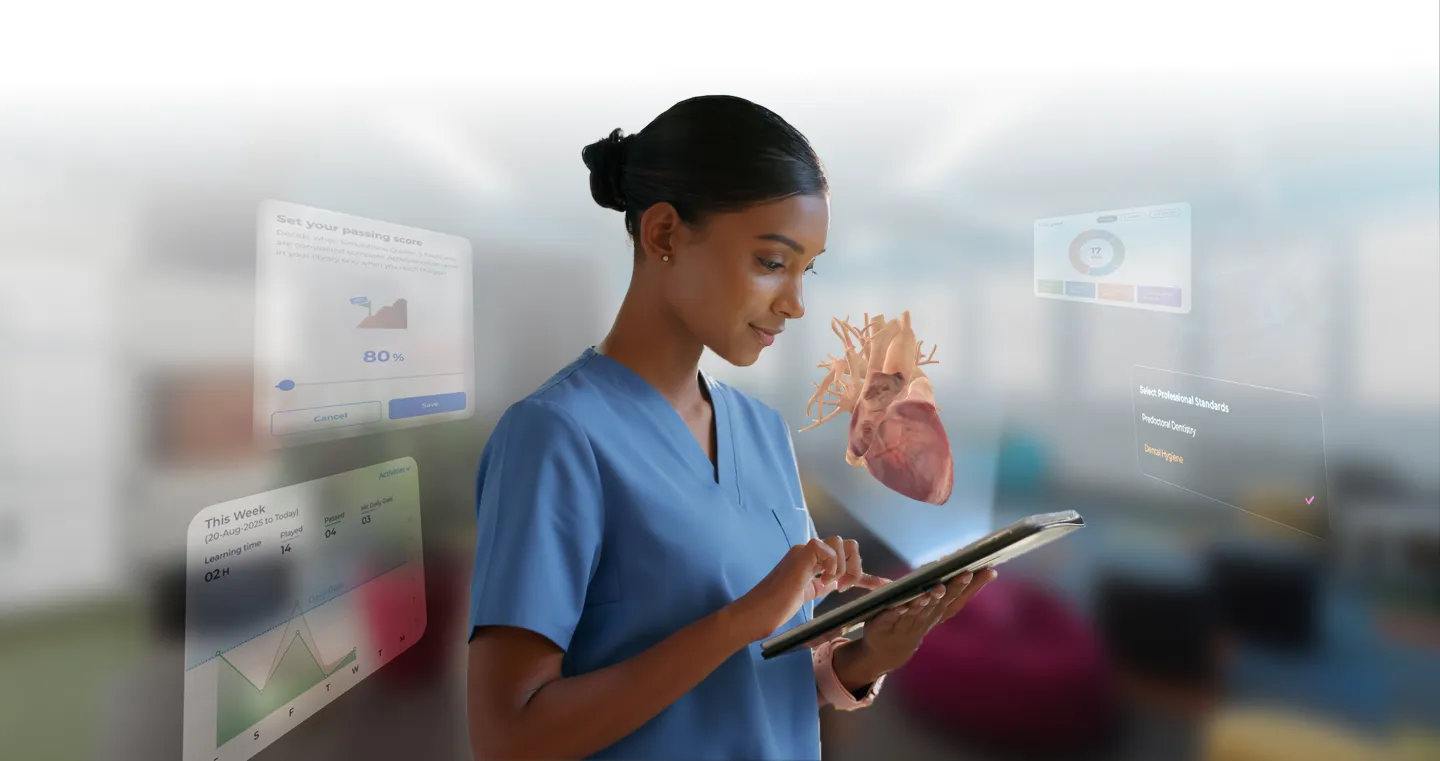
From Framework to Practice: Applying Education 4.0 to Healthcare Curriculum Design
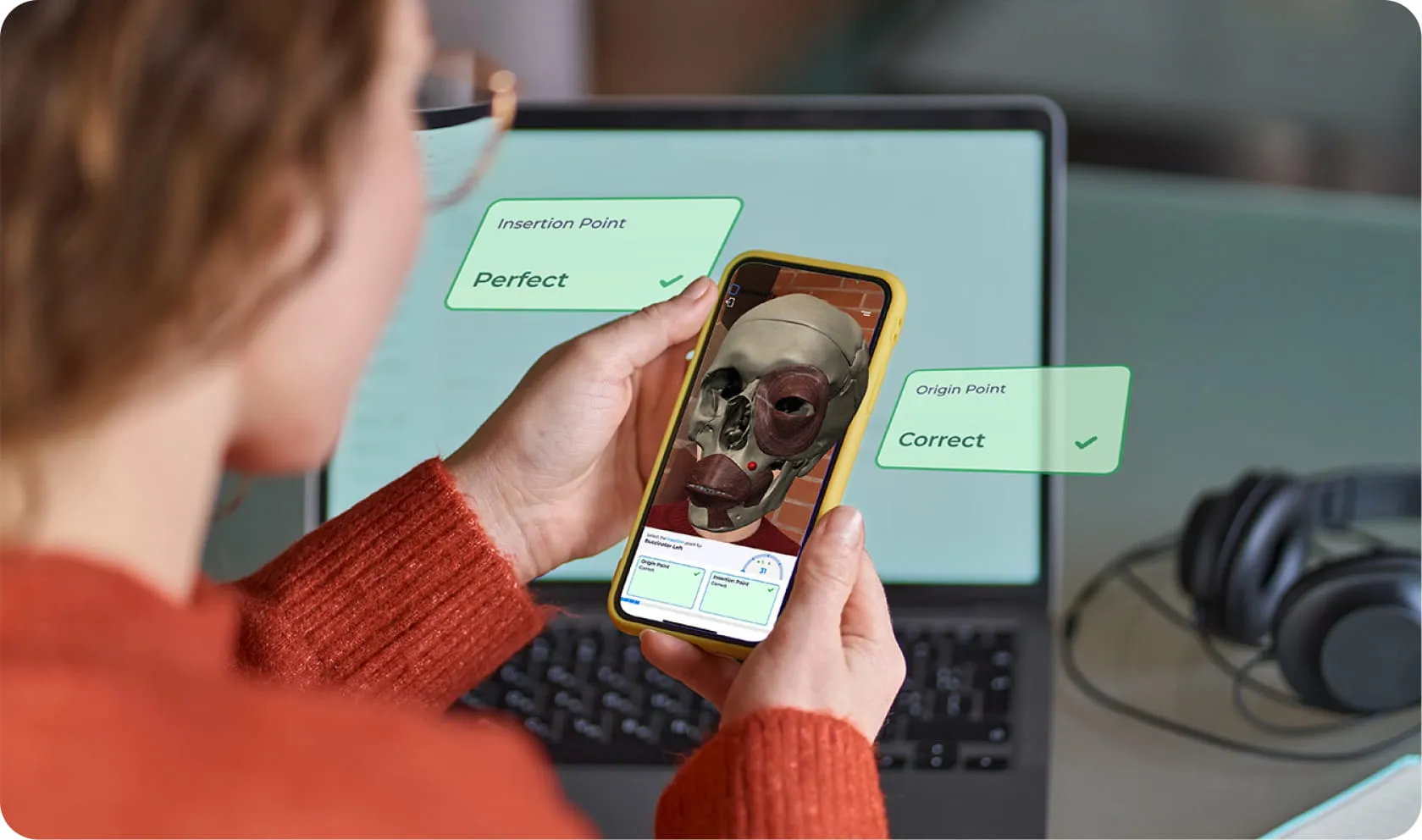
Education 4.0 is often discussed as a vision for the future of learning. But in healthcare education, its principles are already influencing how curricula are designed, delivered, and evaluated.
Rather than asking whether Education 4.0 applies to healthcare education, institutions are increasingly asking a more practical question: how do its core ideas translate into real curriculum decisions — particularly in disciplines that demand clinical competence, ethical judgment, and lifelong learning?
This article explores how Education 4.0 is shaping curriculum design, with a particular focus on healthcare learning environments that integrate personalization, collaboration, and augmented reality in healthcare education.
Why Curriculum Design Matters More Than Tools in Education 4.0
Education 4.0 is frequently associated with emerging technologies, but its impact on healthcare education depends less on the tools themselves and more on how they are embedded into learning design.
In clinical education, curriculum structure determines:
• when students encounter complexity
• how skills are scaffolded over time
• where theory transitions into practice
• how reflection and feedback are reinforced
Without intentional design, even advanced technologies risk becoming peripheral additions rather than drivers of meaningful learning.
"Education 4.0 succeeds when technology follows pedagogy, not the other way around."
Personalization and Progression in Healthcare Learning
One of the defining features of Education 4.0 is personalized, self-paced learning. In healthcare education, this principle aligns closely with the need for students to progress at different rates across cognitive, technical, and professional domains.
For example:
• Healthcare students developing diagnostic reasoning may need repeated exposure to varied case presentations.
• Nursing students refining clinical judgment can benefit from revisiting simulation scenarios as their confidence grows.
• Dental students may require flexible access to procedural visualization beyond limited clinic hours.
Augmented reality in healthcare and other immersive tools support this progression by allowing learners to engage with complex material on demand, while still remaining anchored to faculty-led teaching and assessment.
Education 4.0 also reframes accessibility as a core design concern rather than a secondary consideration.
In healthcare education, access has traditionally been constrained by:
• physical lab capacity
• clinical placement availability
• geographic limitations
• scheduling pressures
Healthcare augmented reality offers a way to extend learning beyond these constraints by enabling students to practice, visualize, and rehearse skills outside formal teaching spaces. When used strategically, this approach can support more equitable healthcare learning experiences without diluting academic standards.
Importantly, these tools are most effective when they complement (rather than replace) in-person instruction and supervision.
Collaboration in Education 4.0–Aligned Curricula
While Education 4.0 emphasizes self-directed learning, it also places strong value on collaboration. For healthcare education, this has particular relevance.
Clinical competence is inseparable from:
• communication
• teamwork
• socio-emotional awareness
• ethical decision-making
Curricula aligned with Education 4.0 principles create space for collaborative learning through:
• peer discussion
• guided reflection
• interdisciplinary, problem-based scenarios
"Healthcare learning is ultimately social, even when supported by digital tools."
Lifelong Learning as a Curriculum Outcome
Perhaps the most consequential shift Education 4.0 brings to healthcare education is its emphasis on allowing learning to continue beyond formal qualification.
Healthcare professionals operate in environments defined by constant change — from new clinical evidence to evolving professional standards. Embedding lifelong learning habits into healthcare education curricula supports not only regulatory requirements, but long-term workforce resilience.
By combining self-paced access, collaborative learning, and immersive technologies, Education 4.0 offers healthcare educators a practical framework for cultivating adaptability alongside technical skill.
The Key Takeaway: Education 4.0 as a Curriculum Lens
Education 4.0 is not a prescription for wholesale change. For healthcare education, it functions best as a lens that helps educators rethink how curricula support skill development, professional identity, and long-term learning.
Institutions that apply these principles thoughtfully stand to create healthcare learning environments that are not only technologically current, but pedagogically robust.
Interested in exploring how immersive tools can support Education 4.0 principles in healthcare education?
Speak to our team to learn how augmented reality and simulation can integrate into existing curricula.
This article was reviewed for clinical accuracy and educational relevance by Dr. Martin Ling, a GDC-registered dentist and Fellow of the Higher Education Academy.

Join our mailing list
Get the latest updates on immersive learning, industry trends, and resources delivered straight to your inbox.